
Studying Abroad – Info Sessions 🗓
On Oct 24, Nov 6, and Nov 27 the Department and the Obama Institute will hold info sessions on their various exchange programs.
Please find more details regarding each session on this flyer here.

On Oct 24, Nov 6, and Nov 27 the Department and the Obama Institute will hold info sessions on their various exchange programs.
Please find more details regarding each session on this flyer here.

The ERASMUS Exchange Lecturer Dr. Justyna Fruzinska (University of Lodz, Poland) will give four lectures in various seminars on Oct 23 and 24. Everyone is welcome!
You can find the list of talks below and on this poster here.
Tuesday, October 23, 2018
10 a.m.-12 noon, 00-025 SR 03 (BKM)
Tuesday, October 23, 2018
6-8 p.m., P 15 (Philosophicum)
Wednesday, October 24, 2018
12 noon-2 p.m., P 102 (Philosophicum)
Wednesday, October 24, 2018
4-6 p.m., P 103 (Philosophicum)

This talk comes from a larger research project that asks how gender and culture matter in creating age-friendly environments. Understanding that austerity thought warps age advice, making it anything but friendly, I will explore the WHO Age-Friendly framework as a form of 21st century advice literature. The research situates the focus on “active aging” within neoliberal processes and discourses of responsibilization. I will illustrate how humanities perspectives meaningfully challenge that model and o er promising paths to critical work on equity and diversity within the Age-Friendly movement.
Sally Chivers is Full Professor of English and Gender & Women’s Studies at Trent University, Canada, where she teaches about illness, disability, and aging in literature, film and popular culture. She is the author of The Silvering Screen: Old Age and Disability in Cinema (2011) and From Old Woman to Older Women: Contemporary Culture and Women’s Narratives (2003), and the co-editor of Care Home Stories: Aging, Disability and Long-Term Residential Care (2017) and The Problem Body: Projecting Disability and Film (2010). Her ongoing research focuses on the gerontological humanities, care systems, and media studies of age, gender and disability based on the belief that there are new and better stories to tell about aging, disability and care.
You can download the poster for this talk here.
When President Trump announced a reduction of protected federal land in two of Utah’s national monuments, clothing outfitter Patagonia, protested, changing their homepage to a black-and-white motto “This Land is Your Land?” and joining a lawsuit against the president. The move continues the privately held company’s tradition of fighting for environmental causes. Its founder, Yvon Chouinard, distinguished himself as a documentary filmmaker with Mountain of Storms (1968) in a way similar to Bruce Brown’s father of surfing documentaries, The Endless Summer (1966). Both documentaries feature young male Californian drop-outs travelling to remote locations of natural beauty with little regard for the geopolitics of the time, setting the tone for a tradition of documenting the often politically naïve, individualistic and rebellious reactions to suburban America’s mainstream and pursuing a vague countercultural notion of escaping consumer culture while piggybacking on American imperialism’s opening up routes to remote locations.
The talk discusses the reverberations of these documentaries’ environmental and geopolitical imaginaries in two recent engagements with the tradition: Chouinard‘s 180º South: Conquerors of the Useless (2010) and William Finnegan‘s Pulitzer Prize-winning Barbarian Days: A Surfing Life (2015).
Book Launch & Talk
Please find more information on this event on the poster.
Please note: The event will be held in German.
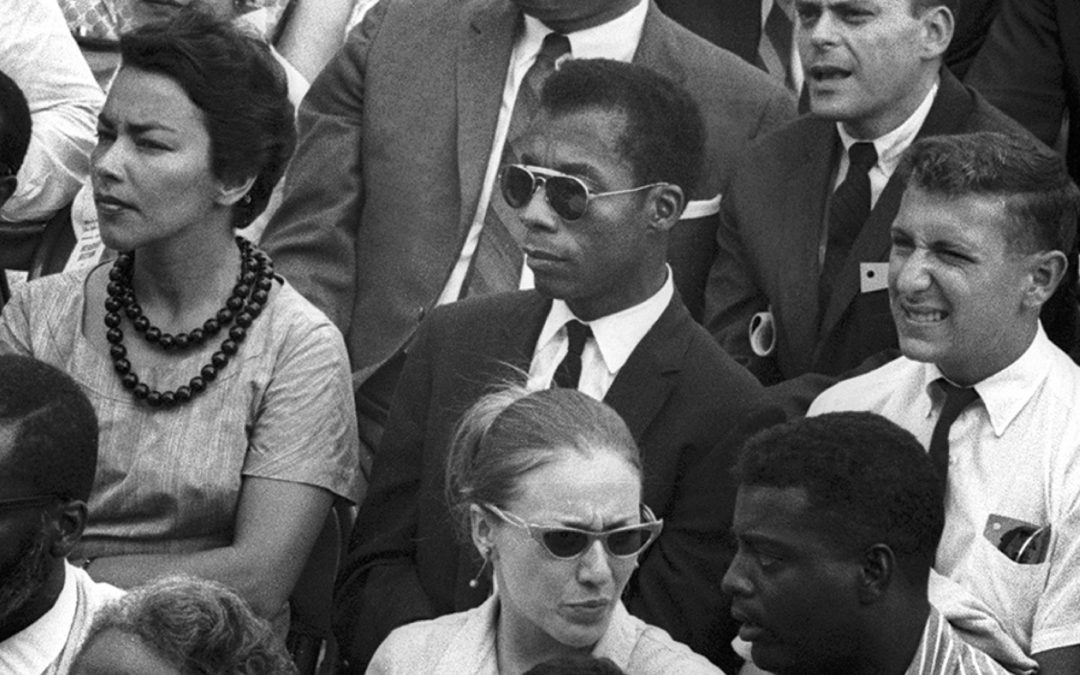
Raoul Peck’s acclaimed 2017 documentary I Am Not Your Negro will be screened at Ciné Mayence, followed by a discussion with Prof. Mita Banerjee (Obama Institute), Prof. Axel Schäfer (Obama Institute) and Prof. Thomas J. Hrach (University of Memphis)
For more information see the poster